Inside
Following the Path of the Korean Provisional
Government
By Kim Jong-hoon
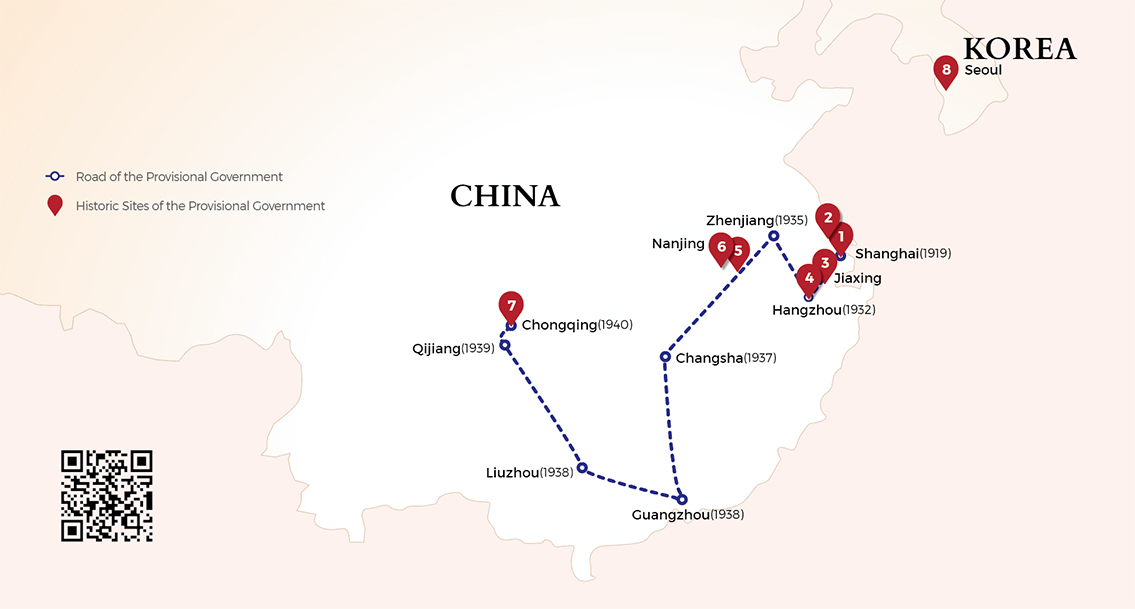
Over the last year, I traveled the roads from Shanghai all the way to Chongqing along the route taken by the Provisional Government of the Republic of Korea from its establishment on April 11, 1919 to national independence in 1945. I call this 26-year journey spanning over 4,000 kilometers the “road of the Provisional Government.” This 4,000-kilometer route helps us understand how today’s Republic of Korea was conceived and formalized.
A Journey to Uncover a Long-lost Path
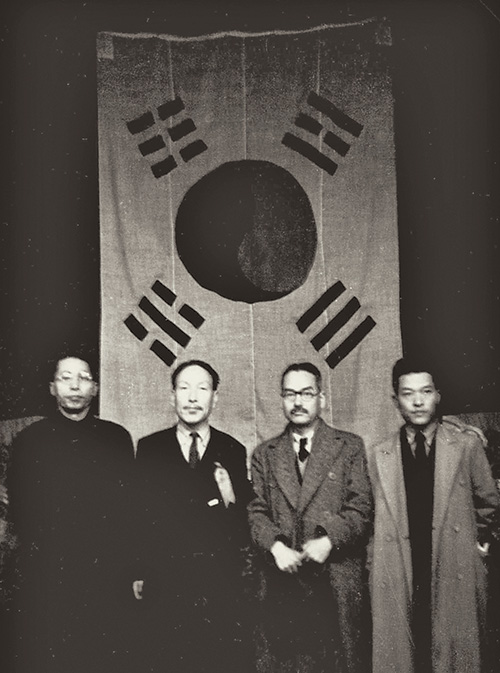
A photo taken on March 1, 1941 in Chongqing showing
from the left Kim Gu, Jo So-ang, Sin Ik-hui, and Kim Won-bong
(photo courtesy of the Commemorative Committee for the Korean Provisional Government)
There is a road named Ruijin No. 2 Road in central Shanghai. Somewhere along it the Provisional Government of the Republic of Korea was born exactly 100 years ago. The name “Republic of Korea,” a democratic system for the country, and the first version of the constitution were all introduced here. This is the spot that can be considered the birthplace of the present-day Republic of Korea.
It currently appears impossible to determine the exact site of the Provisional Government building. Korean independence activists had to establish their government while avoiding the watchful eye of the Japanese colonialists in the wake of the March First Movement, which means it would have been unwise to create detailed records of its foundation. It is simply known that representatives of the independent activists assembled somewhere along Ruijin No. 2 Road and launched a provisional government for Korea.
While the specific site of the first headquarters of the Provisional Government remains unidentified, its second location on Middle Huaihai Road, a five-minute walk from Ruijin No. 2 Road, came to light on April 10 of last year. It is a busy commercial street packed with colorful shops and restaurants, and the spot where the second headquarters of the Provisional Government stood from August to October 1919 currently houses an outlet of multinational clothing retailer H&M.
At this point, the Provisional Government in Shanghai had expanded to incorporate the provisional governments separately established in other areas such as Vladivostok and Seoul to become the de facto government for the Korean people. In contrast to the secrecy shrouding the site of the building on Ruijin No. 2 Road, this second headquarters proudly hung a national flag from its red brick walls.
The primary credit for securing this location on the Middle Huaihai Road goes to An Chang-ho (penname Dosan). He raised funds among Koreans residing in the United States to finance the plan for obtaining a second government building. As the Japanese reaction against the independence movement and internal conflicts within the Provisional Government mounted, however, financial support from the Korean people flowed only sporadically. This is as much as is known about the second building of the Provisional Government.
After Korean independence activist Yun Bong-gil detonated a bomb at a gathering of high-ranking Japanese officials in April 1932, the Provisional Government was forced to flee. They were pushed from Shanghai to Jaixing, Hangzhou, Nanjing, Changsha, Guangzhou, Foshan, Liuzhou, Qijiang, and finally to Chongqing. It was an arduous journey stretching over 4,000 kilometers, but the Provisional Government persevered until national liberation arrived on August 15, 1945.
At a ceremony commemorating the 99th anniversary of the Provisional Government on April 13, 2018, Prime Minister Lee Nak-yon stated, “We, contemporary Koreans, owe a great deal to the leaders of the Provisional Government… The date of the foundation of the Provisional Government will hereby be corrected to April 11 from this year.” This was an adjustment made after the foundation date was mistakenly designated in 1989 as April 13. Just as we discovered the proper date of this foundation after years of collective research, we can discover considerable evidence left by Korean independence activists by walking along the “road of the Provisional Government.”
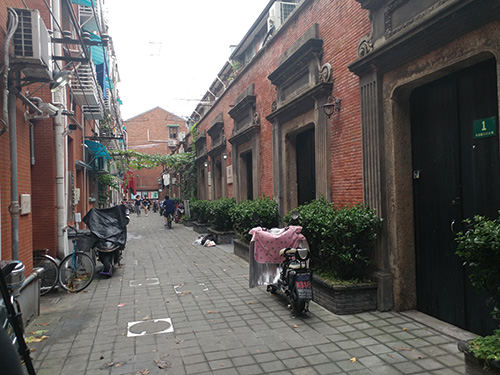
1. The “Madang Road Government Building” in Shanghai
(Shanghai, China)
This is the only Provisional Government building in Shanghai that has been preserved intact. The so-called “Madang Road government building” housed the Provisional Government from 1926 until immediately after the bombing by Yun Bong-gil in April 1932. The Provisional Government arrived at this building after 11 moves around in Shanghai and remained here for the longest of any of its stops. A restoration of the building was completed in 1993. Along with the “lotus pond government building” in Chongqing, this building most clearly represents the historical legacy of the Provisional Government. Located at the entrance to the Xintiandi shopping street, it can easily be located today.
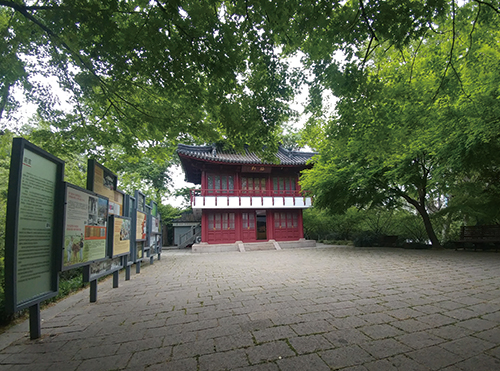
2. Hongkou Park, Memorializing the Patriotism of Yun Bong-gil
(Shanghai, China)
After a last meal with Kim Gu, the 25-year-old Yun Bong-gil took a bus to Hongkou Park (present-day Lu Xun Park). Sneaking into the site of a ceremony organized by the Japanese Imperial Army early in the morning on April 29, 1932, Yun detonated a bomb and killed or injured several Japanese leaders. This event marked a turning point in the history of Korea’s independence movement. A memorial hall for Yun Bong-gil is currently housed in the park .
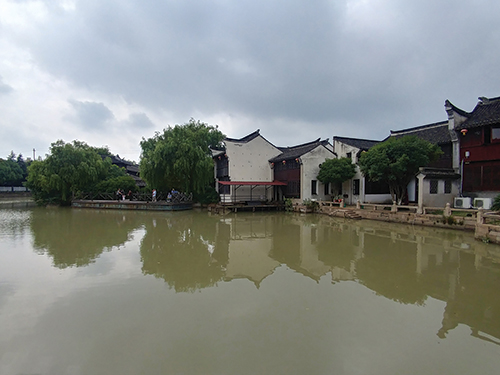
3. Refuge for Kim Gu Showcases Sincere Brotherhood between Korea and China
(Jiaxing, China)
After the bombing by Yun Bong-gil, a large bounty was placed on the head of Kim Gu. At a time when he was in desperate need of refuge, it was offered by the Chinese citizen Chu Fucheong. He and his family mobilized their resources to offer shelter to Kim Gu and other leaders of the Provisional Government. This proved to be more than temporary hospitality and grew into a long-running brotherhood that lasted for several years. Although the building in which Kim Gu and other Korean activists took refuge has now been completely restored, it remains little known.
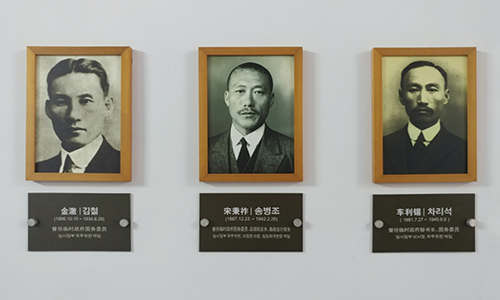
4. The Provisional Government Building in Hangzhou
(Hangzhou, China)
This building was used as the head quarters of the Provisional Government from May 1932 to November 1935. Beyond the front gate are hung three framed photos respectively showing Kim Cheol, Song Byeong-jo, and Cha Ri-seok, the three main figures who sustained the Provisional Government while it was stationed in Hangzhou. It was these ceaseless efforts by independence activists that finally produced the fruit of independence in 1945.
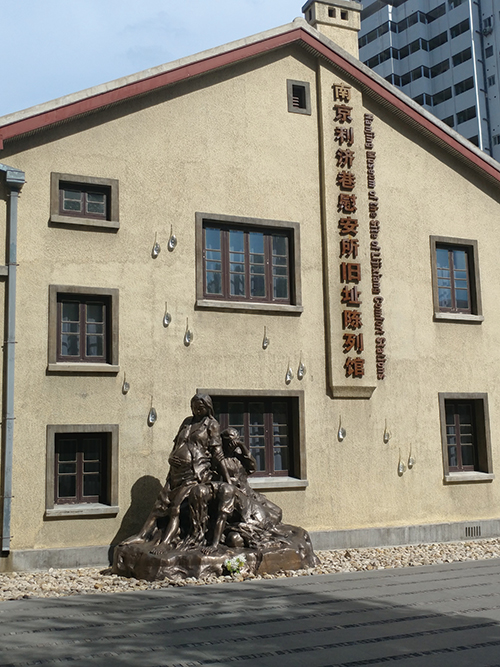
5. The Lijixiang Comfort Station Museum Remembers Park Yeong-sim
(Nanjing, China)
Park Yeong-sim, a native of Pyongan Province was forced to serve as a comfort woman at the Lijixiang Comfort Station in Nanjing. On November 21, 2003 Park paid a visit to the former comfort station building in Nanjing and testified about her time there as a comfort woman. Following her testimony, the Chinese government transformed the building into a museum. The Lijixiang Comfort Station Museum was opened to the public on December 1, 2015 as a space providing first-hand narratives and detailed records of comfort women.
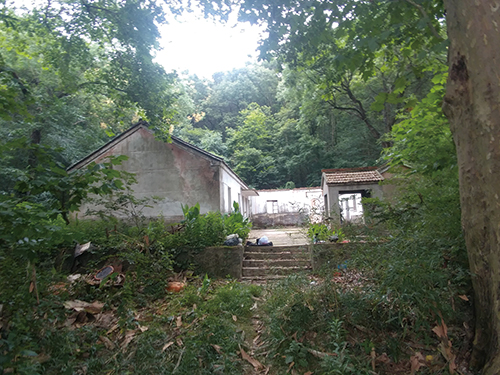
6. Tianning Temple as an Officer Training Center
(Nanjing, China)
General Kim Won-bong from Miryang established an officer training school in Nanjing in July 1932. All that remains of the school is Tianning Temple, where the third group of officer candidates received training for pursuing the ultimate goal of independence. The school fostered a total of 125 officers in three classes. The poet Yi Yuk-sa and composer Jeong Yul-seong were graduates of the school. Since public transportation does not serve the area around the site, Tianning Temple is one of the hardest places to access along the “road of the Provisional Government.” This attests to the harsh remote conditions under which Kim Won-bong and other freedom fighters pursued national independence.
7. The “Lotus Pond Government Building” Finally Witnesses Independence
(Chongqing, China )
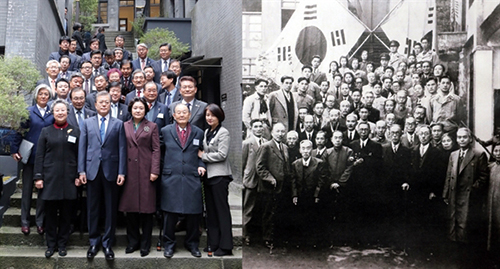
The Provisional Government celebrated national independence at the so-called “lotus pond government building” in Chongqing, the final stop on the long journey of the Provisional Government. The photo shown above to the right of Kim Gu and others was taken in November 1945 upon their departure for Korea. In December 2017, President Moon Jae-in became the first incumbent head of state of the Republic of Korea to visit. He posed there for a photo, just as Kim Gu had done in the century before. Inside the building, it feels as if the overwhelming emotions of the independence activists upon hearing the historic news of national liberation still reverberate. (photo courtesy of Cheong Wa Dae and National Institute of Korean History)
8. Hyochang Park, a Resting Place for Nationalist Souls
(Yongsan-gu, Seoul)
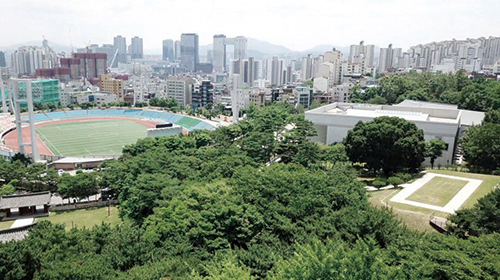
This area, originally called Hyochangwon, was developed as a shared tomb for the first son of King Jeongjo and his wife. After the annexation of Korea by Japan in 1910, Japanese colonialists forcefully relocated the royal remains, converted the tomb area into a golf course, and renamed it Hyochang Park. After liberation, Kim Gu, the final president of the Provisional Government attempted to restore the national spirit by bringing here the remains of renowned independence activists including Yun Bong-gil, Yi Bong-chang, Baek Jeong-gi, Yi Dong-nyeong, Jo Seong-hwan, and Cha Ri-seok. After his assassination in 1949 by An Du-hui, Kim Gu himself was buried here as well.
Text by Kim Jong-hoon, author of The 4,000-kilometer Road of the Korean Provisional Government
Photos by Kim Jong-hoon, the Commemorative Committee for the Korean Provisional Government, Cheong Wa Dae and National Institute of Korean History

임시정부의 4000km 역사를 따라 걷다
1919년 4월 11일 탄생한 대한민국 임시정부가 중국 상하이를 시작으로, 광복을 맞이한 중국 충칭까지 이어갔던 만 26년 발자취를 따라 걸어보았다. 4000km에 이르는 이 여정을 ‘임정로드’라 이름 붙였다. 직접 가보면 안다. 대한민국이 어떻게 탄생했고, 어떻게 이어졌는지.
잃어버렸던 길을 되찾는 여정
중국 상하이 중심부에 ‘서금이로(瑞金二路)’라는 곳이 있다. 100년 전 4월 11일, 대한민국 임시정부가 탄생한 장소다. 우리 역사상 처음으로 ‘대한민국’이라 명명된 국가가 만들어진 곳이며, 지금 우리가 향유하는 ‘민주공화정’이 정립된 곳이다. 최초의 헌법이 공표된 곳이기도 하다. 한마디로 ‘대한민국’이라는 나라가 처음 시작된 장소다.
문제는 대한민국 임시정부 첫 번째 청사의 정확한 장소를 특정할 수 없다는 사실이다. 1919년 3.1혁명 이후 일제의 서슬 퍼런 감시망을 피해 ‘대한민국’을 건국해야 했기 때문에 지금까지도 정확한 장소가 특정되지 않고 있다. 그저 서금이로, 당시 ‘김신부로(金神父路)’라 불린 그 거리 어딘가에서 전국의 대표들이 모여 대한민국을 처음 만들었다는 기록만 남아있었다.
이런 가운데 지난해 4월 10일, 대한민국이 탄생한 서금이로에서 불과 5분 거리에 위치한 회해중로(淮海中路)에서 ‘대한민국 임시정부 두 번째 청사의 정확한 위치가 확인됐다’는 소식이 전해졌다. 회해중로, 100년 전 ‘하비로(霞飛路)’라 불렸던 곳으로, 지금은 각종 상점과 식당이 밀집한 상업 거리다. 그 중심에 있는 ‘H&M’ 의류매장 터가 1919년 8월부터 10월까지 대한민국 임시정부 두 번째 청사가 있던 장소로 확인됐다.
이곳이 중요한 이유는 당시 상하이와 연해주, 한성 세 군데로 나뉘어 있던 임시정부가 하나의 통합정부로 발전했기 때문이다. 말 그대로 통합된 대한민국 임시정부의 모습을 비로소 갖추게 된 것이다. 이 때문일까? 일제의 감시망을 피해 숨어 지내야 했던 첫 번째 청사와 달리, 붉은 벽돌로 지어진 두 번째 청사 외벽에는 당당히 태극기까지 내걸렸다.
이 과정에서 도산 안창호 선생의 역할이 컸는데, 미국 교민들의 성금을 모아 두 번째 대한민국 임시정부 청사를 마련했다. 영광은 오래가지 못했다. 일제의 압박은 더욱 거세졌고, 임시정부 요인들의 내분으로 국민들로부터 충분한 지원이 이어지지 못했다. 대한민국 임시정부 두 번째 청사에 대한 기록은 여기까지다.
그럼에도 우리가 결코 놓쳐선 안 되는 사실이 하나 있다. 1932년 4월 윤봉길 의사 의거 후 대한민국 임시정부와 애국지사들은 자싱, 항저우, 난징, 창사, 광저우, 포산, 류저우, 치장을 거쳐 충칭까지 4000km 피난길에 올라야 했지만 1945년 8월 15일 광복을 맞을 때까지 어느 누구도 포기하지 않았다. 독립을 위해서, 우리 역사 최초로 좌우가 합작을 이뤄냈다. 해방 직전에는 광복군의 침투 작전이 거의 완벽하게 이뤄질 뻔했다. 이 모든 것이 1919년 4월 11일 탄생한 대한민국을 지켜내기 위한 애국지사들의 노력 때문이다.
2018년 4월 13일 대한민국 임시정부 99주년 행사 자리, 이낙연 국무총리는 “우리는 임시정부 지도자들께 몇 가지 크나큰 빚을 지고 있다”면서 “대한민국임시정부 수립일을 2019년부터는 4월 11일로 수정한다”고 밝혔다. 1989년 12월 '대한민국 임시정부 수립일'을 4월 13일로 잘못 제정한 지 30년 만의 변화다. 함께 노력했기 때문에 가능했다. <임정로드 4000km> 위에 남겨진 애국지사들의 흔적과 유적지도 마찬가지다. 함께 걸으면 잊고 지냈던 역사는 다시 길이 된다.
1. 대한민국 임시정부 상하이 마지막 청사 ‘마당로 청사’
중국 상하이
현재까지 상하이에 온전히 남아있는 유일한 대한민국 임시정부 청사 건물이다. 흔히들 ‘마당로 청사’라 부르는데, 앞서 11번이나 청사를 옮긴 임시정부 요인들이 1926년부터 입주해 윤봉길 의사 의거 직후인 1932년 4월까지 사용했다. 대한민국 임시정부 역사상 가장 오랜 시간 사용한 청사로, 해방 후 복원이 이뤄지지 않다가 1993년 완공됐다. 충칭 연화지 청사와 더불어 임시정부와 관련된 가장 대표적인 유적지로 손꼽힌다. 상하이 유명 관광 명소인 신천지 거리로 향하는 입구에 자리해 관광객들이 매우 편하게 찾는 장소이기도 하다.
스물다섯 청년 윤봉길 의거지 ‘홍커우공원 (현 루쉰공원)’
중국 상하이
원창리 13호에서 김구 선생과 마지막 식사를 나눈 청년 윤봉길은 차를 타고 홍커우공원으로 향한다. 이른 아침 행사장에 도착해 몰래 잠입한 윤봉길은 정오 무렵 물통형 폭탄을 터트려 ‘중국 100만 대군도 해내지 못한 의거’에 성공한다. 이후 대한민국 독립운동사는 대전환을 맞는다. 2019년 현재 윤봉길 의사 기념관이 루쉰공원 안쪽에 자리하고 있다.
한국과 중국의 진짜 의리 ‘김구 피난처
중국 자싱
1932년 4월 29일 윤봉길 의사 의거 후 김구 선생의 목에는 거액의 현상금이 걸렸다. 급히 피신을 해야만 했다. 당시 손을 내밀어준 인사가 바로 중국인 주푸청 선생이다. 그는 일가의 모든 인력과 자금을 동원해 김구 선생과 임시정부의 주요 인사들에게 조건 없이 피난처를 제공했다. 그 시간만 수년이다. 2019년 현재 김구 선생과 임정요인들의 피난처는 완벽하게 복원돼 있다. 그러나 대부분의 사람들이 잘 몰라서 찾지 않고 있다.
중국 유일의 국가급 항전시설 ‘대한민국 임시정부 항저우 청사’
중국 항저우
대한민국 임시정부가 항저우에 머물던 1932년 5월부터 35년 11월까지 청사로 사용했던 건물이다. 다른 임정 청사와 달리 입구에 들어가자마자 김철, 송병조, 차리석 선생 세 분 사진이 걸려있다. 피난 시기, 일제의 거센 압박 속에서도 세 분은 ‘파수꾼’을 자처하며 대한민국 임시정부를 지켜냈다. 돌아보면 1945년 8월 15일 광복이, 몇몇 애국지사들만의 노력이 아닌 수많은 애국지사들의 피와 땀으로 이뤄냈음을 다시 한번 깨닫게 하는 장소이기도 하다.
박영심 할머니를 기억한다 ‘리지샹 위안소 유적진열관’
중국 난징
평안도 출신 박영심 할머니가 리지샹 위안소 두 번째 건물 19번방에서 3년 동안 위안부 생활을 했다. 2003년 11월 21일, 박 할머니가 현장을 찾아 ‘내가 있던 곳이 여기’라고 증언하자 중국 정부가 직접 나서 난징 중심부에 위안부 유적진열관을 마련했다. 생생한 증언과 기록이 가득한 이곳은 2015년 12월 1일 정식 개관했다.
조선혁명정치군사간부학교 훈련지 ‘천녕사’
중국 난징
1932년 7월에 처음 세워진 조선혁명정치군사간부학교는 ‘밀양사람’ 김원봉 장군이 조선 청년들과 함께 조국의 독립을 위해 공부하고 훈련했던 장소다. 현재는 3기생이 훈련한 천녕사만 폐허로 남아있다. 1기부터 3기까지 125명의 간부들을 양성했고, 시인 이육사와 작곡가 정율성이 조선혁명간부학교 출신이다. 근방까지 대중교통이 다니질 않아 ‘임정로드’의 여러 유적지 중 찾아가기 가장 어려운 곳으로 손꼽힌다. 김원봉 장군과 조선혁명간부학교 생도들이 얼마나 어려운 조건에서 조국의 독립을 위해 애를 썼는지 방증하는 장소이기도 하다.
백범의 계단에서 해방의 감독을 느끼다 ‘연화지 청사’
중국 충칭
대한민국 임시정부가 이곳에서 광복을 맞이했다. 1945년 11월 김구 선생을 비롯해 애국지사들이 고국으로 돌아갈 때 이곳에서 기념비적인 사진을 찍었다. 2017년 12월 대한민국 현역 대통령 중 최초로 문재인 대통령이 이곳을 방문해 마치 그날의 김구 선생처럼 사진을 남겼다. 그곳에 서면, 글과 말로 표현할 수 없는 묵직한 감동을 느낄 수 있다.
8. 민족의 정기를 담다 ‘효창원’
서울특별시 용산구 효창동 효창원로 177-18
효창원은 원래 정조대왕의 아들과 부인을 모신 왕가의 무덤이었다. 1910년 한일합방 뒤 일제가 이를 강제로 이장시켰고, 그 자리에 골프장을 만들었다. 이후에 조선총독부는 ‘효창공원’으로 바꿔 불렀다. 해방 후인 1946년 김구 선생이 ‘민족정기를 바로 세우겠다’며 윤봉길, 이봉창, 백정기, 이동녕, 조성환, 차리석 선생의 유해를 모셨다. 1949년 안두희의 흉탄에 운명한 김구 역시 효창원에 묻혔다.
Text by 김종훈 | 프로젝트 <임정> 기획, <임정로드 4000km> 저자
Photos by 김종훈, 대한민국임시정부기념사업회, 청와대, 국사편찬위원회