
Interview
K-Logistics,
Speedy and Reliable Delivery in South Korea
By Choi Min-young
In South Korea, nearly anything can be delivered from one place to another within 24 hours. The country’s well-developed express delivery companies are known as taekbae. This door-to-door domestic delivery concept continues to evolve along with changes in lifestyles: An even quicker version of taekbae called “early morning delivery” has recently been unveiled, promising the delivery of groceries in as little as seven hours in time for breakfast. Delivery is not a modern innovation in Korea. Among the various forms of delivery in traditional Korean society, bobusang, or “peddler merchants,” were the most prominent in terms of their impact on people’s lives. In this issue, Lee Chang-sik from Semyung University and Choe See-young from Ajou University talk about the delivery services of the past and today’s taekbae system.
Lee Chang-sik
Professor of Semyung University
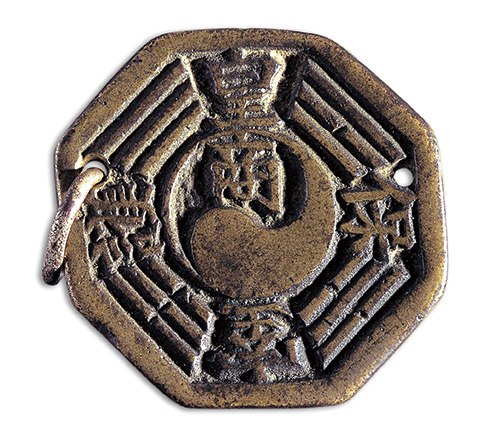
Proof of identity for bobusang
Peddlers carried this to prove their Proof of identity for bobusang organization.
(Photo courtesy of the National Folk Museum of Korea)
Diverse Forms of Traditional Delivery Service
Historical documents indicate that delivery services were operating at least as far back as the Joseon era (1392-1910). The late-Joseon scholar Hwang Yun-seok writes in his Ijaenango (Miscellaneous Writings by Hwang Yun-seok) that in July 1768, the day after taking the civil service examination, he and the people he was celebrating with enjoyed a delivery of chilled buckwheat noodle soup (naengmyeon). Another late-Joseon scholar, Yi Yu-won, relates in Imhapilgi (Collection of Writings by Yi Yu-won) that on one day in the year 1880 King Sunjo ordered naengmyeon in the middle of his nightly walk. The king and his soldiers ate the chilled noodle soup together. Haedong jukji, a collection of poetry by the calligrapher Choi Yeong-nyeon published in 1925, recounts that “people living within the walls of the Gwangju fortress in Gyeonggi-do Province are known for their superb skill in making hyojonggaeng (a soup good for treating hangovers). The soup is made at night, stored in a jar wrapped in cotton, and sent to the capital. It can arrive at the recipient’s house by dawn next day.” Professor Lee Chang-sik from Semyung University explains:
“There were a number of practices and institutions in traditional Korean society that involved delivery. Examples include offering local specialties to the king as tribute, crafting and transporting made-to-order goods to Buddhist temples, buying local specialties in one place and selling them in another, and distributing party foods among neighbors. These traditions have come down to the present to impact today’s delivery culture in South Korea.”
There were services taking advantage of the sense of prestige among the yangban upper class as well. Examples include the “water sellers from the Bukcheong area” (bukcheong muljangsu) and “book middlemen” (chaekkwae).
“Those Bukcheong water sellers drew water from right in the middle of the Hangang River, the part considered to have the highest water quality, and sold it to members of the upper class. This water caught on among the yangban, creating a group of loyal customers. Chaekkwae middlemen did not just deliver ordered books. They also offered services such as analyzing a customer’s literary taste, making appropriate recommendations, and securing rare books.”
There were also merchants specializing in the delivery of such diverse items as firewood, cosmetics and jewelry, and glutinous rice cakes. The first example of a food delivery advertisement can be found in the early-modern daily newspaper Mansebo from 1906.
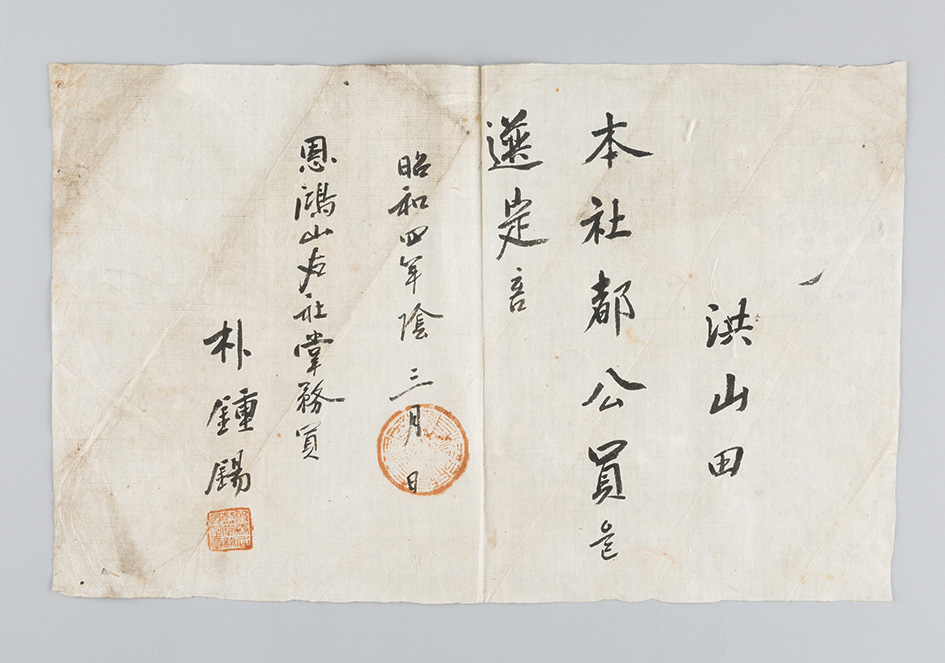
A certificate of appointment issued by the bobusang organization
This document dated March 1929 appoints the merchant Hong San-jeon to a leadership position in the bobusang organization.
(Photo courtesy of the National Folk Museum of Korea)
According to professor Lee Chang-sik, no discussion of Joseon-era delivery services is complete without mentioning the peddlers called bobusang. These merchants operated within an area that could be covered in a single day, buying products in one place and selling them in another. Markets held every five days at different villages were a major commercial venue for these bobusang.
“Bobusang came in two categories: bosang, or ‘sack peddlers,’ who dealt in small but valuable items such as crafted goods, ginseng, and ramie cloth, and busang, or ‘bundle peddlers,’ who sold more voluminous and daily items such earthenware jars and wooden products. Speed was the top priority for these travelling merchants. This explains why the carrier they wore on their back had shorter legs than normal. They did not want to waste time in taking off and putting on the carrier when they rested. With a short-legged back carrier, they could sit down anywhere for a quick break with their load still on their back.”
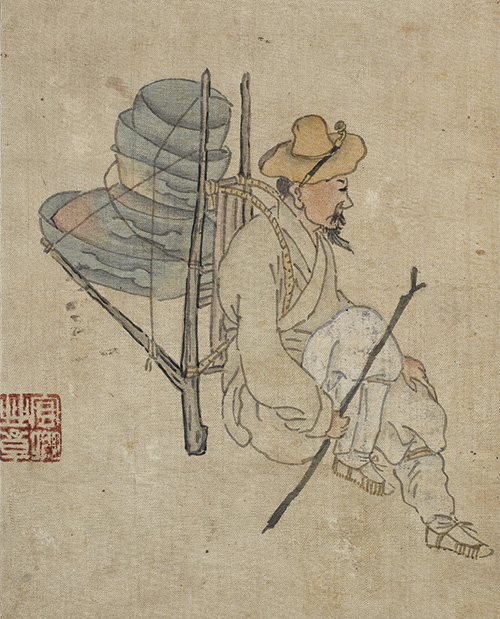
Peddler
This painting by the late-Joseon artist Gwon Yong-jeong presents a peddler,
or bobusang, resting with his load of clay vessels still strapped to his back.
(Photo courtesy of the Kansong Art and Culture Foundation)
Bobusang Merchants in a National Network
Although acting individually within their given territories, the bobusang united to form a national organization. They collected membership fees and selected their leadership through democratic elections. This national network of merchants made rules against hoarding and cornering markets, breaching commercial ethics, and committing fraud. Anyone breaking these rules faced punishment.
“At the peak of the Joseon market economy, there were 264 local branch offices for peddler merchants. The bobusang at each local office elected a leader who was charged with maintaining fairness and honesty in the market. Bobusang merchants helped each other out through this organized national network. They shared information for safely delivering goods on time. Although not related by blood, they gathered to hold a collective rite whenever a colleague died. It was a very strong professional organization.”
This robust organizational ability of the bobusang helped them ensure good treatment in society and regular state support. The development of the bobusang organization was based on the trust these individual peddler merchants developed within society. It was uncommon in other parts of the world for delivery services to demonstrate the level of reliability the bobusang established during the Joseon era.
“Bobusang merchants made every effort to secure the items on their order lists and deliver them on time to customers in a good condition. They were not just profit-oriented sellers. These travelling merchants would spread news from other areas and could even serve as matchmakers between families. All this helped the bobusang earn considerable public trust.”
The two main characteristics of the bobusang, reliability and speed, are also the pillars underpinning today’s South Korean domestic delivery system. With direct contact discouraged during the current global pandemic, taekbae delivery services have been recognized for their new social function. They are playing a critical role in connecting otherwise isolated people and maintaining a sense of community.
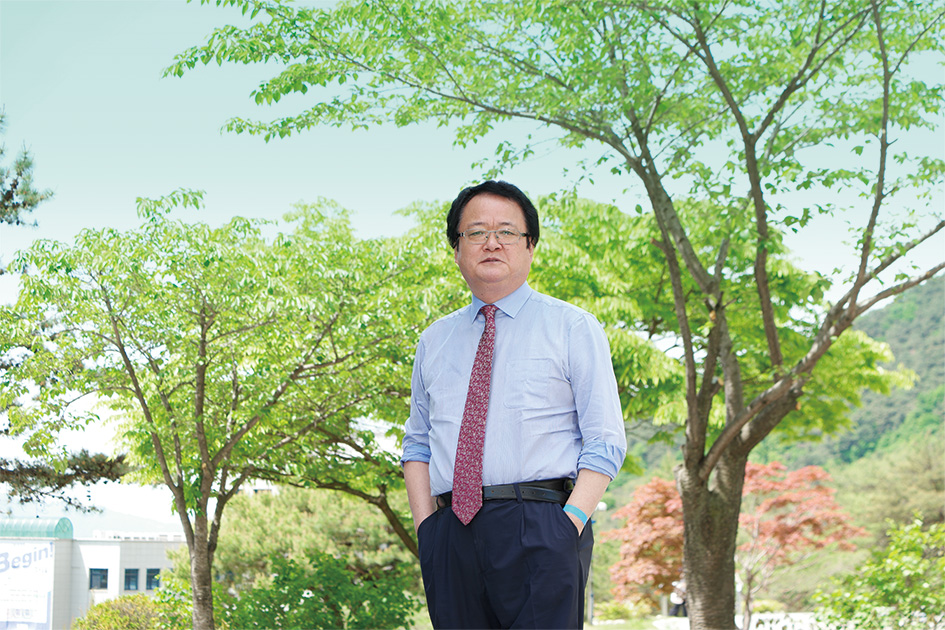
Professor Lee Chang-sik stresses that the development of the bobusang organization was based on the trust built up by individual peddler merchants in Joseon society.
Choe See-young
Professor of Ajou University
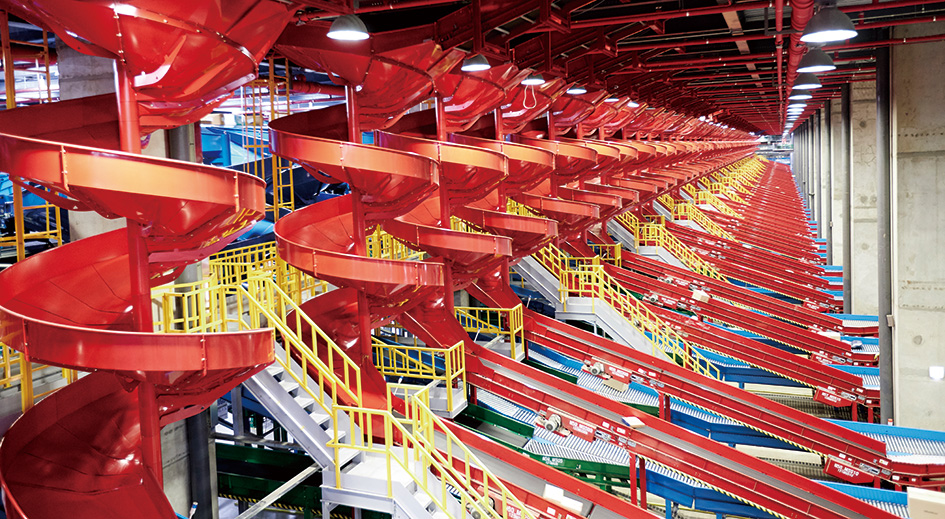
Each person in South Korea is estimated to use a taekbae service 65 times per year on average. This photo shows CJ Logistics’ Megahub Gonjiam, the largest warehouse in Asia. (Photo courtesy of CJ Logistics)
Birth and Growth of Express Delivery Services
Among the many forms of delivery service currently available in South Korea, taekbae are the most popular. Taekbae provide express door-to-door delivery taking approximately one day to complete the entire process from picking up a package to placing it in the hands of a recipient. This one-day delivery service has become established as an indispensable element in Korean commerce. Professor Choe See-young from Ajou University adds:
“Taekbae service was introduced in 1992. There were just two parcels on the first day. Now, the industry has grown to 11.3 million packages and 25 billion KRW in revenue every day. This translates into an annual volume of 3.3 billion packages and yearly revenues of 7.5 trillion KRW. It is estimated that each South Korean use this service 65 times per year on average. The number of people employed in the taekbae industry has reached 55,000 and is still rising. This express delivery business has seen dramatic growth over the last 30 years.”
The Korean government is working to support this fast-expanding industry by providing a suitable legal framework. A separate law has been enacted this year to deal with matters related to taekbae service. It is fair to say that contemporary Korean life could not function as it does without these deliveries.
“The fundamental rule of taekbae service is next-day delivery. When a package is picked up today, it should be dropped off at its destination tomorrow. About 95 percent of taekbae volume falls within this type. There are other varieties of service as well, like a quicker service providing two-to-three-hour delivery, same-day delivery completing the order on the same day it is picked up, and those allowing the designation of a desired time or day for delivery.”
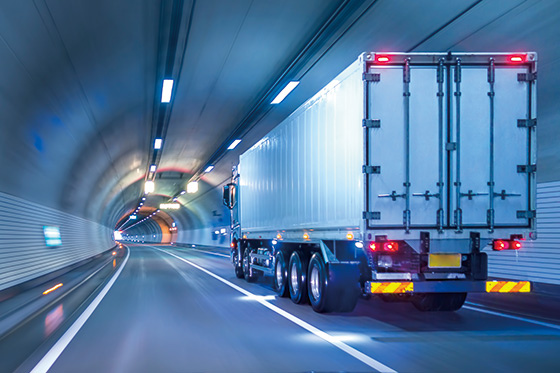
The fundamental rule of the taekbae service is next-day delivery,
accounting for about 95 percent of the volume.
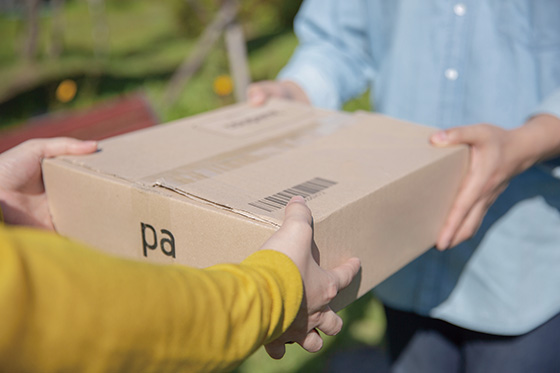
The foundation of the taekbae industry is the complete public trust
in the promised punctuality of the service.
People can have all sorts of things delivered to a wide variety of places. They can order the delivery of not only everyday commodities and groceries, but also jewelry, documents, and artworks. Holidaymakers can order things sent to their vacation destinations by taekbae. Credit card companies take advantage of the service to deliver newly issued cards to their customers. When people need to move their belongings or send a gift of money to a friend’s wedding, they use a taekbae service. The list of different forms of taekbae is long and always growing.
The recently developed early morning delivery is quickly gaining popularity. With this service, orders placed up until midnight can be delivered by 7:00 the next morning. This service was initiated by the online grocery service Market Kurly in 2015 and has been spreading to other companies.
“An ordinary form of taekbae takes around one full day since things need to be picked up at their place of production. In the case of early morning delivery, items are picked up right from stock maintained at a warehouse. Items are ready for departure within two hours of the order. This kind of service is only possible in areas equipped with such warehouses—such as Seoul and the surrounding areas and other big cities. However, there are companies aiming at establishing a nation-wide network. Making this service available at every corner of the country may not be a far-fetched dream.”
The availability of delivery reducing service time to as little as seven hours is yet another indicator of how far the taekbae industry has come since the business opened 30 years ago.
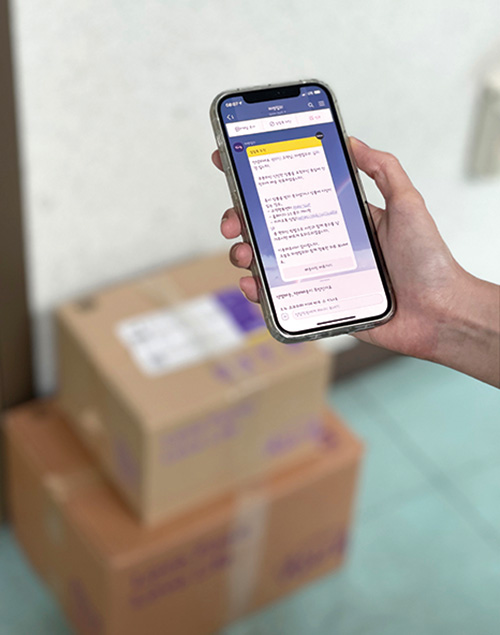
Taekbae customers receive a message notifying the arrival of their packages.
The taekbae industry is making constant efforts to maintain and improve public trust
in its delivery services.
Taekbae and Korean Life
“The primary force supporting the rapid development of the taekbae industry is information technology. The phenomenal growth of e-commerce has driven the need for delivery services. Women are increasingly participating in economic activities and convenience is ever-more important, making up another reason. To satisfy these social changes and prepare for future ones, the taekbae industry has never ceased to evolve. Various forms of delivery have been developed to offer customized services, and continuous efforts have been made to reduce delivery times and improve the process of tracking parcels. Above all, the dedication shown by delivery people towards their work is by far the most important factor in the industry’s development.”
Professor Choe suggests that the bedrock underpinning the taekbae industry is the strong public trust in the promised punctuality of the service. People in this business work furiously to maintain this trust at every step of the delivery process, from picking up parcels to sorting them and transporting them to the doorstep of customers.
“A taekbae customer gets a text message from their delivery person announcing a scheduled delivery time. Most of the time, the package arrives right when promised. The customer can track the package’s progress online. Taekbae people doing early morning delivery take a picture of the delivered package to let the customer know of its arrival. All of this is based on the efforts made by the industry to earn and maintain customers’ trust. Customers are delighted to have such a reliable delivery service available.”
Choe See-young emphasizes that taekbae service is an inseparable part of Korean life. This express delivery service has saved people the time needed to go out and fetch goods and allows companies to concentrate on the production side of their business. This industry has been creating more than 5,000 jobs per year as well.
“Whether they are in parcel-collecting, sorting, or delivery, people working in the taekbae industry are making concerted efforts to provide the best possible quality of service. They contribute to enriching Koreans’ life and connecting people.”
Joseon-era peddler merchants and today’s taekbae service workers share prioritizing rapid transportation and maintaining trust with customers. This earnest striving for reliability will keep Korean delivery moving forward well into the future.

Professor Choi See-young highlights how taekbae service has become an inseparable part of Korean life. He adds that people working in the taekbae industry are making concerted efforts to provide the best possible quality of service, contributing to enriching people’s lives and bringing them closer.
Text by Choi Min-young from the Korean Heritage publication team
Photos by the National Folk Museum of Korea, the Kansong Art and Culture Foundation, CJ Logistics, and Jung meen-young

K-Logistics
암호명 ‘빨리빨리’
한국의 택배는 집하에서 배송까지 24시간 이내에 완료하는 것을 목표로 한다. 각종 공산품부터 김치 등의 먹거리까지 무엇이든 배송이 가능하다. 최근에는 밤에 주문한 물건을 해가 뜨기 전에 받아보는 이른바 ‘새벽배송’으로 많은 사람들이 신선한 아침 식사를 즐길 수도 있다. 전통 사회에서도 이러한 배달 문화는 존재했으니 ‘보부상’이라는 조직을 필두로 하는 유통 상인이 그 중심에 있다. 전통사회의 배달문화와 현대사회의 택배시스템을 비교해보고자 세명대학교 미디어문화학부 이창식 교수와 아주대학교 공학대학원 물류CMS학과 최시영 겸임교수를 만났다.
세명 대학교 이창식 교수
고객에게 행복을 전하는 상인들
조선 시대에도 음식을 배달하는 문화가 있었다. 조선후기 실학자 황윤석은 <이재난고>에 1768년 7월 “과거를 치른 다음 날 일행과 함께 냉면을 시켜 먹었다”고 적고 있다. 이유원의 <임하필기>에는 1880년 순조가 달구경을 하다가 “냉면을 사오라”고 시켜 군사들과 함께 먹었다고 기록한다. 1925년 최영년이 쓴 <해동죽지>에 “(경기도) 광주 성내 사람들이 효종갱(해장국)을 잘 끓인다. 밤에 국 항아리를 솜에 싸서 서울로 보내면 새벽종이 울릴 무렵에 재상의 집에 도착한다”고 적혀있다.
“전통사회에서의 배달 문화는 4가지로 정리할 수 있습니다. 임금에게 지역 특산물을 바치는 ‘진상’, 사원이나 사찰에 필요한 물품을 미리 주문 제작하여 납품하는 방식, 그리고 백성들의 경우 마을을 돌아다니는 방물장수에게 필요한 물건을 주문해 받는 방식, 경조사 때 음식 등을 서로의 집에 나누어주는 방식 등을 꼽을 수 있겠습니다. 이러한 일반인들의 ‘돌림 문화’가 우리 삶에 자리잡고 오늘날까지 이어지고 있는 것이지요.”
이창식 교수는 배달 문화에서 빼놓을 수 없는 상인으로 ‘보부상’을 꼽았다. 보부상은 ‘봇짐이나 지게짐을 지고 다니는 장수’를 가리키는 말로, 생산자와 소비자 간의 중간다리 역할을 했던 전문 상인이다. 이들은 대개 하루에 왕복할 수 있는 정도의 거리를 기준으로 형성된 시장망을 돌면서 각자가 담당하는 물화를 유통했다. 5일에 한번씩 열리는 각 지역의 시장에서 그 지역 특산품을 구해다 이웃지역에 팔기도 했다.
“보부상은 우사와 좌사로 나뉩니다. 우사는 세공품, 가공품, 산삼, 모시 등의 작고 값비싼 물건을 다루었고, 좌사는 옹기, 나무 가공품 등 큰 물품을 다루었습니다. 이들은 속도가 생명이었어요. 좋은 상품을 제때 전달해야 하기 때문이죠. 그래서 이들이 매고 다니는 지게는 다리가 짧습니다. 빠르게 걷다가 힘들면 지게를 맨 채로 어디든 잠시 걸터앉았다가 다시 바로 움직일 수 있도록 개조된 것이죠.”
특히 사대부들은 양질은 물론, 더욱 특별한 대우를 받고자 하는 욕망이 있었는데, 이들의 가려운 곳을 긁어주는 것도 배달 상인이었다. ‘북청물장수’와 ‘책쾌’가 대표적이다.
“‘북청물장수’는 물장수들 가운데 한강의 한가운데로만 흐르는 가장 수질 좋은 물을 길러 사대부들에게 판매하던 이들입니다. 이들은 일종의 브랜드가 되어 사대부들을 중심으로 하는 탄탄한 고객층을 관리했죠. ‘책쾌’는 책이나 붓 등을 주문 받아 배달해주는 이들로, 각 집의 구매목록을 분석하여 취향에 맞는 책을 제안하거나 구하기 어려운 책을 찾아다 주는 등 맞춤형 서비스를 제공했죠. 소비자 입장에서는 얼마나 행복했겠습니까.”
그밖에 땔감장수, 방물장수, 찰떡장수 등 소비자의 욕구를 제때 공략하여 만족을 안겨주는 배달상인들이 존재했다. 근대에 이르면 1906년 <만세보>에 음식 배달 광고가 최초로 등장하며 배달 시스템이 본격적으로 시작됐음을 알 수 있다.
보부상, 탄탄한 조직력으로 시장의 안정을 꾀하다
보부상은 각자 자신의 구역에서 활약하지만, 사실 이들은 전국적인 규모의 공동체 조직이었다. 매점매석을 일삼거나 시장 문화를 해치는 자, 상도덕을 지키지 않는 자, 사기치는 자 등을 색출해 징벌하거나 이러한 일이 벌어지지 않도록 규칙을 세웠다. 모든 보부상에게 회비를 걷어 공정하게 관리하고, 투표를 통해 조직의 임원을 선출하여 운영하는 등 대동적 민주주의를 실천했다.
“장시가 발달됐을 때, 전국에 264개의 보부상 지소가 존재했습니다. 이 지소를 관리하는 ‘접장’을 선출해 시장이 정직하고 공정하게 운영되는지 엄하게 살폈지요. 또 보부상들 사이에 지역에 대한 소식이나 천재지변을 만났을 때 피신 공간 등 크고 작은 정보를 미리 공유해두어 보부상 자신은 물론 배달하는 물건이 상하지 않도록 노력하고 서로 상부상조했습니다. 동료가 죽으면 혈연은 아니지만 함께 고생한 것에 대한 애환으로 봉도기를 앞세워 제를 지내기도 했습니다. 이러한 조직력은 보부상만의 매우 강력한 장점이었죠.”
이들의 이러한 조직력은 그들을 천대받지 않게 하였고, 국가의 신임을 얻어 안전한 상업을 영위할 수 있는 여러 제도를 마련할 수 있었다. 이창식 교수는 보부상을 필두로 전통사회 배달 문화의 특징으로 ‘신뢰’를 꼽았다. 고객의 집까지 들어가 안전하게 배송을 마치는 것은, 다른 나라에선 찾아볼 수 힘든 우리 전통사회의 특징이라고.
“배달 상인들은 물건만 판 것이 아니라 ‘인정(人情)’도 팔았어요. 손님들에게 다른 지역 소식도 전해주고, 가끔 사돈을 맺을 수 있게 중매도 서고, 고객이 찾던 물건을 구하면 상태가 좋을 때 도착할 수 있도록 애를 썼죠. 이렇게 해주니 고객 입장에서는 그 배달 상인을 어찌 신뢰하지 않을 수 있겠습니까.”
이들이 쌓아놓은 신뢰와 기민성은 오늘날 한국의 배달 시스템의 근간이다. 이창식 교수는 비대면으로 인한 공동체 의식 저하를 우려하는 요즘 시국에도 배달만큼은 사람들에게 신뢰받으며 그 가치를 새롭게 증명하고 있다고 말한다. 자주 만나지 못하는 사람들을 대신해 사랑을 전하는 택배가 있어 이 시국이 외롭지 않다는 최시영 교수의 말과도 이어져 있다.
아주 대학교 최시영 교수
택배 역사 30여 년, 급진적인 산업 성장
한국에는 현재 다양한 배달 시스템이 운영되고 있다. 그 중, ‘택배’는 가장 보편적이고 다양하게 활용되는 배달 시스템으로, 사람들의 생활에서 이제 배제할 수 없는 중요한 상거래 시스템으로 자리매김했다.
“한국의 택배는 1992년 시작됐습니다. 택배 첫 날 배송 건수는 ‘2건’입니다. 이제 한국의 택배 취급 물량은 하루 1,130만 건, 매출 250억 원에 이르고, 이를 연간으로 환산하면 33억 7천만 건, 7조 5천억 원입니다. 국민 1인당 연간 65회 가량 사용하는 것으로 집계되고요. 택배 사업 30년만에 엄청난 성장을 해온 것이죠. 택배 관련 종사자는 5만 5천여 명에 이르고, 인력 채용도 꾸준히 증가하고 있습니다.”
택배 시장의 확장에 따라 국가에서는 택배를 ‘생활물류서비스’로 분류하고, 이와 관련된 법을 지정하는 등 산업의 지속적인 발전을 위해 힘쓰고 있다. 바야흐로 택배가 사람들의 일상에서 없어서는 안될 물류 서비스로 완벽히 자리매김 한 것.
“한국의 택배 시스템은 익일배달 서비스를 기본으로 합니다. 어제 집하한 물건을 오늘 받아볼 수 있죠. 약 95%의 택배가 여기에 해당하고 그 외에 2~3시간 안에 받아보는 퀵서비스, 집하 당일에 받아보는 당일배송, 시간을 지정해서 받아보는 시간지정 택배, 오전이나 야간 혹은 휴일에 받아볼 수 있는 택배도 있습니다.”
취급 난이도에 따라 귀중품, 서류, 냉동/냉장 택배와 미술품 택배 등도 운영되며 휴양지에서 이용하는 바캉스택배, 신용카드 등을 배달하는 유가증권 택배, 규모가 적은 이삿짐을 옮겨주는 이삿짐 택배, 결혼 축의금이나 부의금 등을 대신 전해주는 경조택배도 있다. 사실 이렇게 구분되어 이름이 붙여졌을 뿐, 한국인이라면 누구나 이용해본 서비스들이다.
최근 사람들에게 큰 사랑을 받는 택배가 있다. ‘샛별배송’ ‘새벽배송’ 등으로 불리는 것들이다. 밤 12시 이전까지만 주문하면, 다음날 아침 7시 이전에 물건이 집 앞에 도착해 있다. 먹거리 온라인 쇼핑몰인 ‘마켓컬리’에서 시작되어 이제 여러 유통 기업도 동참하고 있다.
“일반적으로 택배는 산지에서 집하해 소비자의 집 앞에 도착하기 때문에 24시간이라는 시간이 보장되어야 했습니다. 하지만 새벽 배송의 경우, 물류센터에서 물건을 확보하고 있다가 주문이 들어오면 2시간 내에 배송 준비를 마치고 바로 출발할 수 있죠. 이 경우 물류센터가 확보되어 있는 지역에서만 가능하기 때문에 수도권이나 대도시를 중심으로 운영되고 있습니다만, 전국적인 망을 구축해 운영하는 것을 목표로 하는 기업이 있기 때문에 전국 서비스의 가능성도 기대해볼 만 합니다.”
1992년 2개의 택배 배송으로 시작한 한국의 택배 서비스는 30여년 만에 7시간 이내 배송 서비스까지 누릴 수 있을 만큼 급진적으로 성장했다.
택배는 한국인의 ‘동반자’
“삶의 환경이 변화하면 그에 맞춰 새로운 제도가 생기고, 그것은 다시 환경을 변화시킵니다. 택배 산업의 발달에 가장 큰 영향을 준 것은 IT 기술의 발전입니다. 이커머스, 모바일커머스가 획기적으로 발달하면서 물건 배송을 위해 택배 사용량이 늘었죠. 또 여성의 사회 진출이 높아지면서 일상의 편리성이 대두되었고, 택배 사용량이 증가했습니다. 이러한 환경의 변화는 다시 택배 시장에 변화를 일으킵니다. 택배 회사들은 시장 성장에 발맞추기 위해 다양한 택배 서비스를 출시했고, 배송 속도 개선, 배달 증명 강화 등을 통해 서비스 질 향상에 힘을 쏟았어요. 여기에 택배 관련 종사자들의 헌신까지 더해져 소비자들이 지금과 같은 일상의 편리를 누리고 있는 것이죠.”
최시영 교수는 택배 서비스의 핵심 역량으로 ‘신뢰’를 꼽았다. 집하에서 배달까지 약속된 시간을 지켜야 하고, 그 시간을 맞추기 위해서는 간선, 터미널 분류 시간 등도 모두 정해진 시간 내에 이루어져야만 한다. 신뢰야말로 택배 서비스 성장에 절대적인 요소이다.
“택배를 이용하는 소비자들은 택배 기사로부터 ‘오늘 X시에 택배를 배송할 예정입니다.’라는 문자를 받아봅니다. 그리고 정말 그 시간에 택배가 도착하죠. 현재 내 택배가 어디에 있는지 집하 이후 단계부터 모두 온라인을 통해 확인할 수 있습니다. 새벽 배송의 경우 소비자가 원하는 장소에 물품을 두고 사진 촬영을 해 소비자에게 발송하기도 하고요. 이 모든 과정이 소비자에게 믿음을 주기 위한 택배사의 제도입니다. 소비자의 입장에서는 무척 안심 되는 일들이죠.”
한국인에게 택배는 ‘동반자’다. 최시영 교수는 그렇게 말한다. 소비자의 입장에서는 택배 덕분에 내 시간을 활용할 수 있어 삶이 한층 풍요로워지고, 기업의 입장에서는 배송 걱정 없이 자신들의 서비스에 몰두할 수 있다. 국가 입장에서는 매년 5천 명 이상의 일자리가 창출되고, 택배 기사들이 사회안전망으로서 활약하기도 해 보안에 도움을 준다.
“집하하는 조직, 분류하는 조직, 배송 조직이 각각 자신의 역할을 수행하면서 하나의 목표를 위해 움직입니다. 그 덕분에 한국인의 삶의 질은 더욱 풍요로워지고, 서로간의 거리는 가까워지고 있는 것이지요.”
한국의 ‘빨리빨리’ 문화가 가장 긍정적으로 발휘되는 산업을 꼽으라면, 단연 배달 산업이 아닐까. 영광에서 난 굴비를 한양 김대감 집에 전해주던 보부상도, 부산의 유명한 어묵을 3시간 내에 서울에서 맛볼 수 있게 해주는 택배 종사자도, 소비자와의 약속을 지키기 위해 늘 신속하게 움직인다. 그것이 한국 배달 문화의 원동력이다.
Text by 최민영
Photos by 국립민속박물관, 간송미술문화재단, CJ대한통운, 정민영