Visit
Hidden Gems among Korean Museums
By Kim Ji-hye
A museum is a space that connects the past to the present and further into the future. Each museum in South Korea displays distinct types of objects, but all of them support an overarching purpose of transmitting and disseminating Korean culture and history to future generations and residents of other parts of the world. Several museums here in South Korea and their special themes are introduced here.
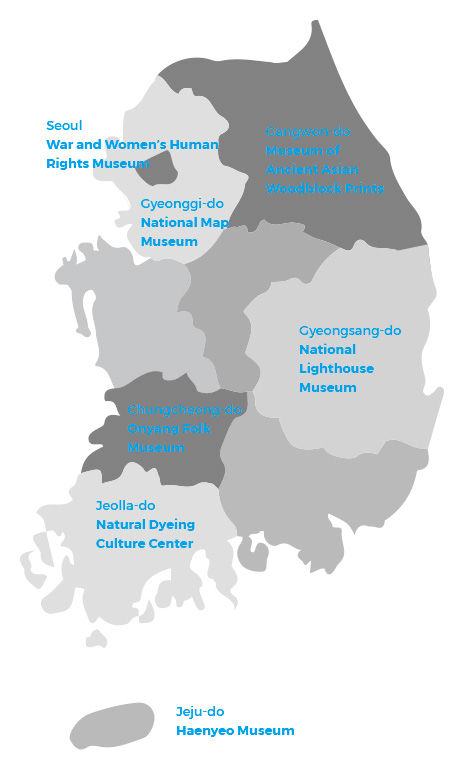
Seoul
War and Women’s Human Rights Museum
- Location: 20, 11 gil, Worldcupbul-ro, Mapo-gu, Seoul
- Open: 1–6 p.m. (closed on Sundays and Mondays)
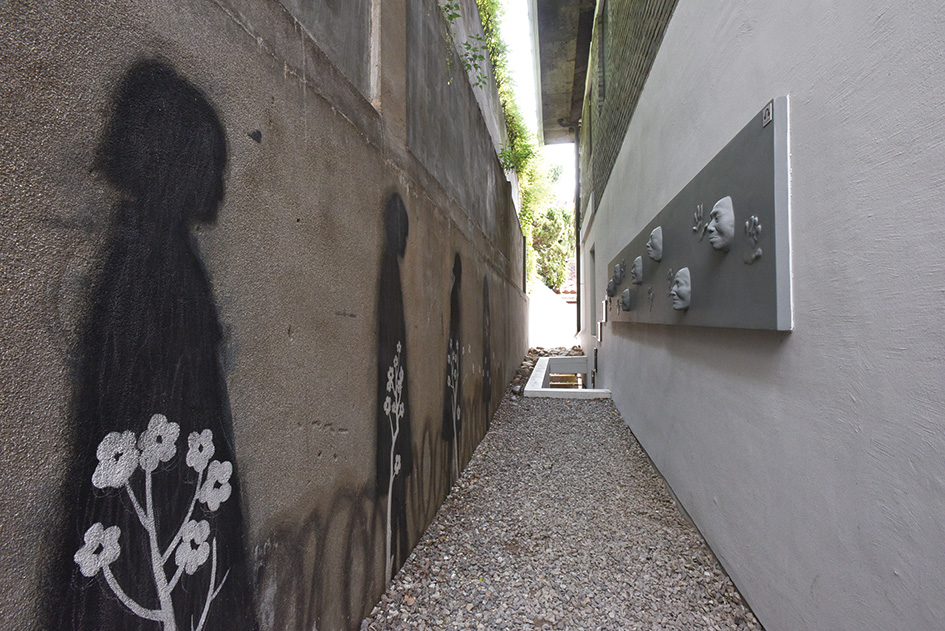
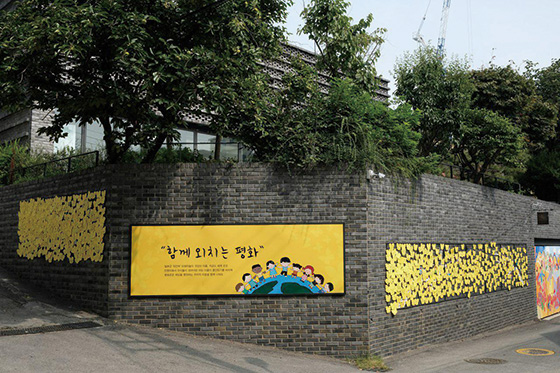
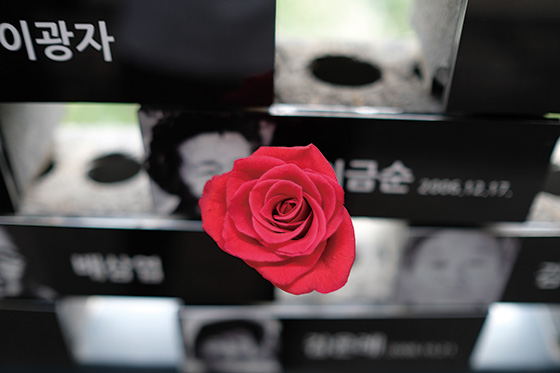
The War and Women’s Human Rights Museum was established with individual donations from a huge number of people. It aspires to promote a world free from armed conflicts and violence against women. The primary purpose of this museum is to preserve and spread the memory of the survivors of the Japanese military sexual slavery system, or “comfort women,” and to encourage the resolution of this critical issue. However, the museum is not restricted to violence against Korean women, and accommodates stories of women in conflict areas around the world. Visitors tour the museum to the accompaniment of an audio guide in either Korean, Japanese, or English. The tour starts in the basement, progresses to the second floor, and finishes on the first. In the basement, visitors gain a sensory experience of the sufferings of the “comfort women.” On the second floor, they learn about the systematic crimes committed by the Japanese military in the past and explore the current endeavors to create a resolution to the issue. On the first floor, they encounter stories about violence against women around the globe, including narratives of Vietnamese women who were sexually assaulted by Korean soldiers during the Vietnam War. Finishing off their visit to the museum, they can leave a personal note conveying their feelings, reflections, and commitments.
Gyeonggi-do
National Map Museum
- Location: 92 Worldcup-ro, Yeongtong-gu, Suwon, Gyeonggi-do
- Open: 10 a.m.–5 p.m. (closed on New Year’s Day, Lunar New Year’s Day, and Chuseok)
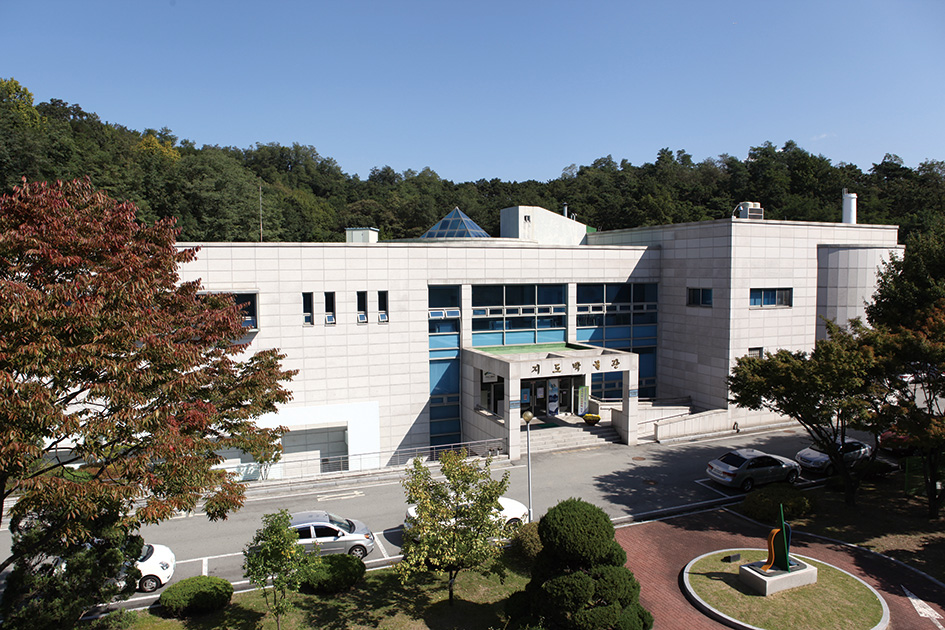
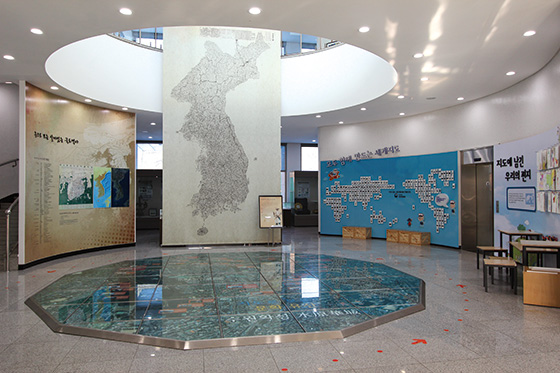
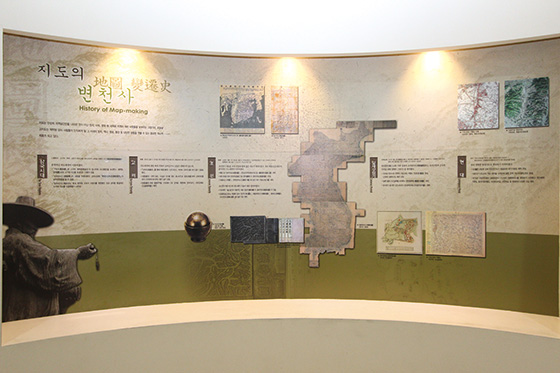
The first thing that meets the eye of visitors passing into the central hall of the museum is a grand map stretching from the ceiling to the floor, equaling the height of a three-story building. It is a reproduction of the Map of Great East (Daedong yeojido) by the geographer Kim Jeong-ho from 1861. From the central hall, visitors can freely access two indoor exhibition halls, respectively focused on historical and modern maps, as well as an open-air exhibition space. The hall for historical maps exhibits a diverse range of maps from the Joseon era (1392–1910). What captures visitors’ attention here is a Joseon world map known as the Integrated Map of Historical Countries and Capitals (Honil gangni yeokdae gukdo jido). There are additional historical world maps from European countries on display. The modern hall shows maps in different dimensions—cartographic representations embodied in electronic forms and through three-dimensional technology. A map is not simply a space for providing geographical representations. Given that the process of colonization driven by European countries was dependent on cartographic information, maps were directly related to national power. At the National Map Museum, visitors can map out the developmental process of Korea by observing the historical maps of Joseon and the tech-savvy cartographic images of today.
Chungcheong-do
Onyang Folk Museum
- Location: 123 Chungmu-ro, Asan, Chungcheongnam-do
- Open: 10 a.m.–5:30 p.m. (closed on Mondays)
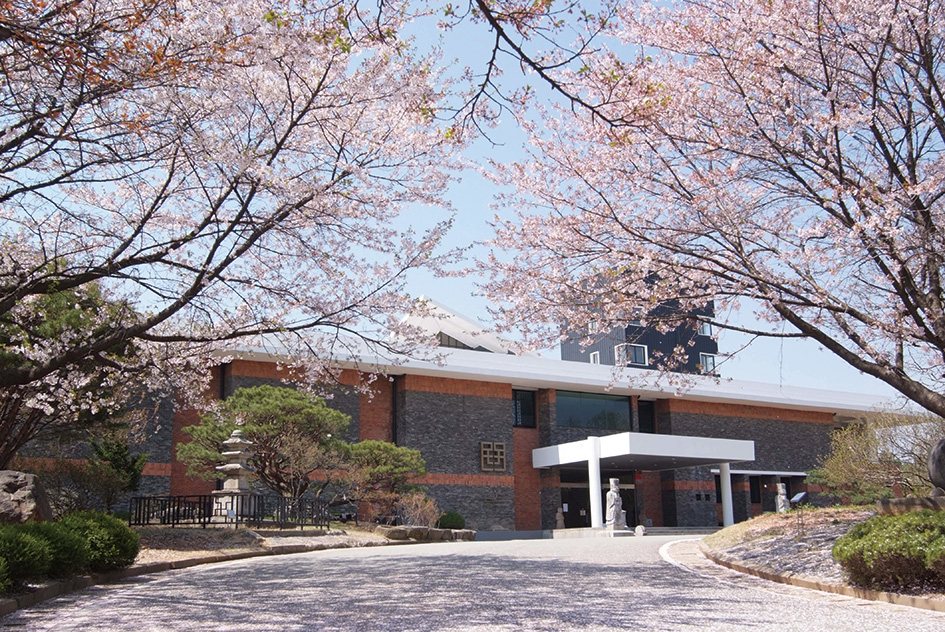
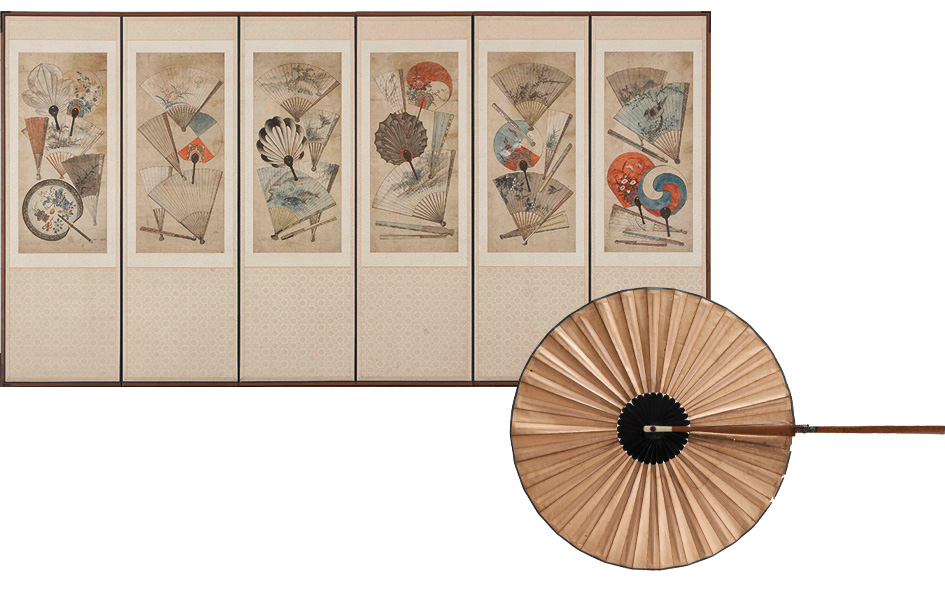
The Onyang Folk Museum was established in 1978 as a private institution for the collection, preservation, and display of Korean folk materials of both a tangible and intangible nature. Committed to preserving and disseminating Korean tradition across temporal and geographical boundaries, the museum serves as a cultural complex where people can experience aspects of traditional Korean life and culture. In the first of the three permanent exhibition spaces, visitors learn about traditional Korean clothing, housing, and foodways, as well as the ceremonial rites occurring throughout a typical Korean’s lifecycle. The second hall describes farming and other major traditional livelihoods along with displays of traditional tools. In the third hall, visitors can study exhibits related to, among other themes, traditional craft, folk beliefs, and woodblock and type printing. Alongside the permanent display spaces, there are a special exhibition hall and outdoor exhibits. The Onyang Folk Museum is an ideal place to enjoy an integrated experience of traditional Korean culture and life.
Jeolla-do
Natural Dyeing Culture Center
- Location: 123 Chungmu-ro, Asan, Chungcheongnam-do
- Open: 10 a.m.–5:30 p.m. (closed on Mondays)
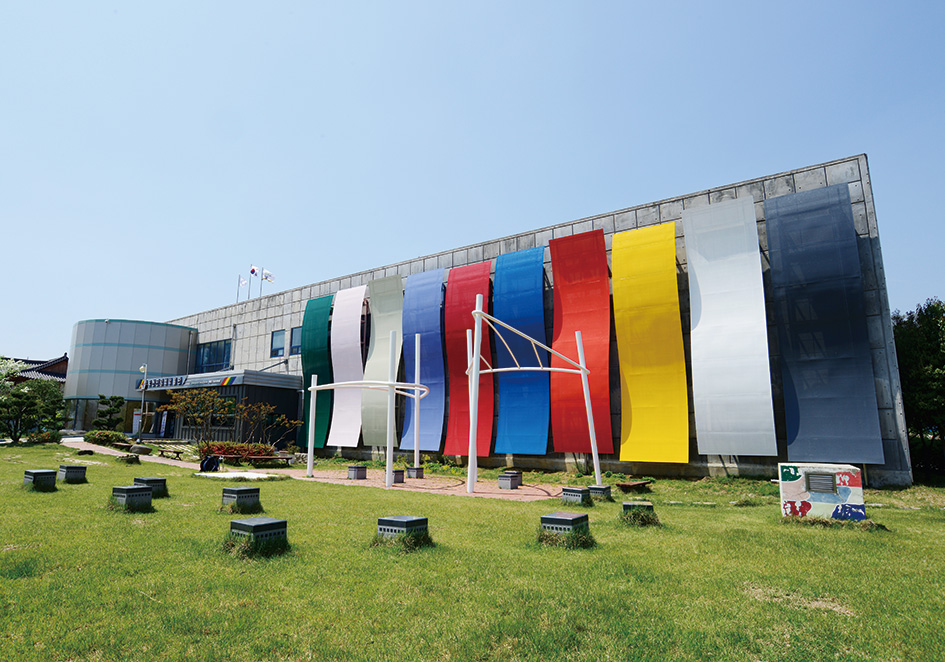
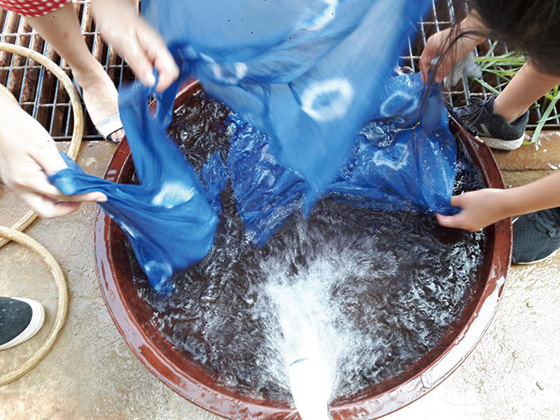
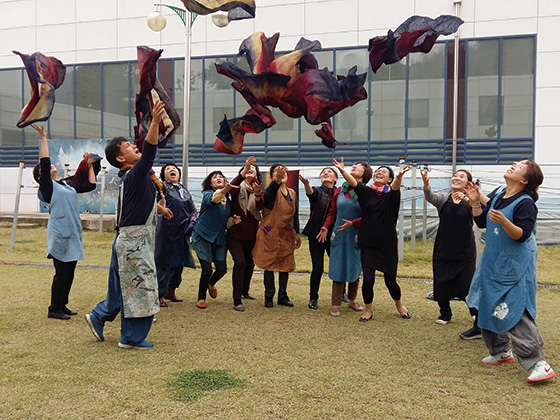
Endowed with fertile soil and warm weather, Naju provides a favorable environment for the cultivation of the plant that produces indigo dye. The practice of dyeing with indigo and other natural dyes has a long history in the Naju area. At the center of this local practice are people who have been recognized as official transmitters of natural dyeing, a traditional skill nationally designated as National Intangible Cultural Heritage No. 115. The first designated master was Yun Byeong-yun, and the current one is Jeong Gwan-chae. The Natural Dyeing Culture Center was established to safeguard the natural dyeing tradition preserved by these recognized experts. The museum’s permanent exhibition hall displays the history, methods, and varieties of natural dyeing, as well as showcases naturally dyed clothing and accessories. There is a special hall where visitors can observe international products decorated through natural dyeing that have been donated from other countries. Experience programs are operated on the weekends, and people with a prior appointment can make their own handkerchiefs and stringed pouches using natural dyes.
Gyeongsang-do
National Lighthouse Museum
- Location: 20, 150-gil, Haemaji-ro, Homigot-myeon, Nam-gu, Pohang, Gyeongsangbuk-do
- Open: 9 a.m.–6 p.m. (closed on Sundays)
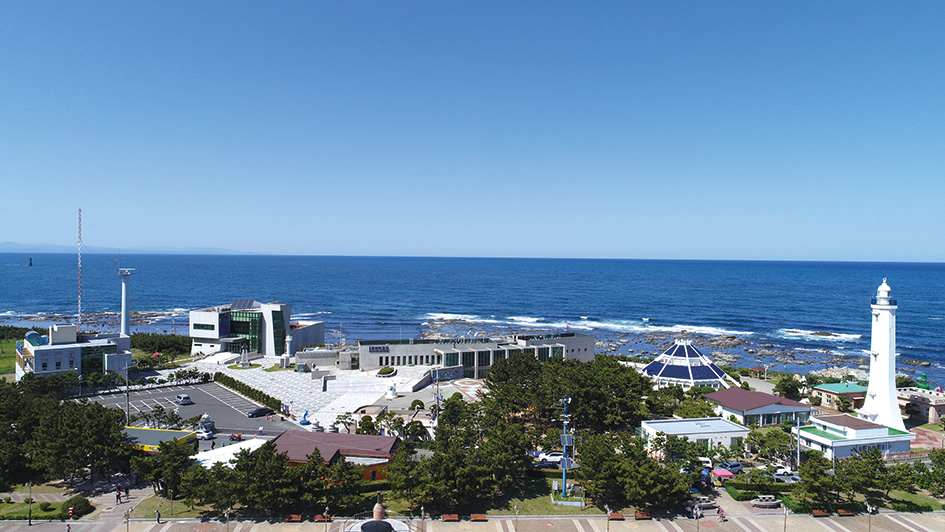
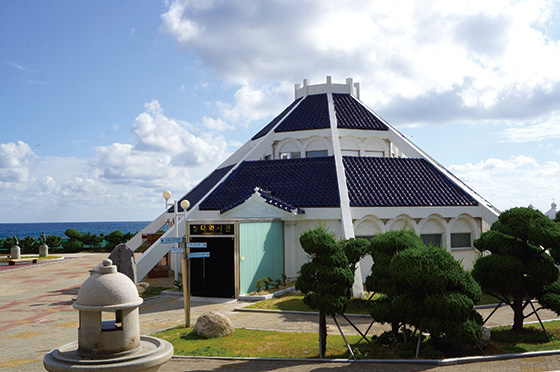
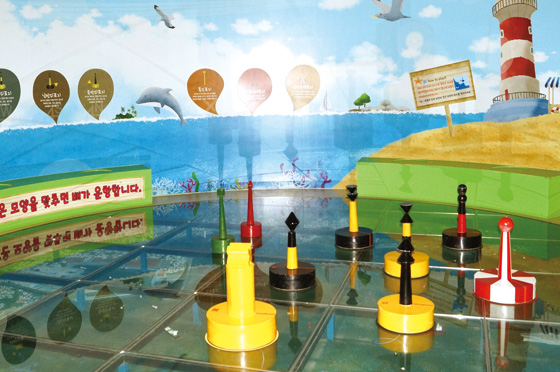
Situated in the easternmost area of the Korean Peninsula, the National Lighthouse Museum is dedicated to studying and displaying the history of lighthouses. While once at the forefront of the advancement of human civilizations, lighthouses are losing their relevance today with the development of navigational technologies. To prevent the history of lighthouses from disappearing from living memory, the National Lighthouse Museum operates diverse exhibition and experience spaces. The artifacts hall displays objects and documents related to lighthouses of the past, and the history hall relates the origins and development of lighthouses from both a global and Korean perspective. In the experience hall, visitors can learn how navigational aids work through hands-on experience. With the sea as a background, visitors can directly observe light buoys and facilities for navigational communication. The National Lighthouse Museum also operates a lighthouse stamp tour program which offers medals to those who collect stamps from the 15 designated lighthouses. The museum ever offers visitors an opportunity to spend the night in a lighthouse.
Gangwon-do
Museum of Ancient Asian Woodblock Prints
- Location: 62 Muran-gil, Sillim-myeon, Wonju, Gangwon-do
- Open: 10 a.m.–6 p.m. (closed on Mondays)
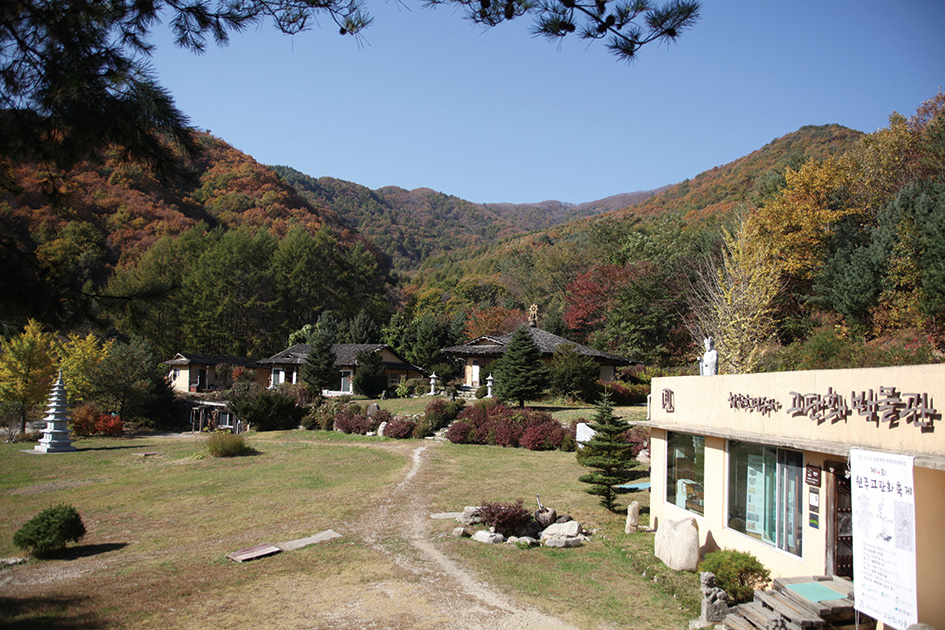
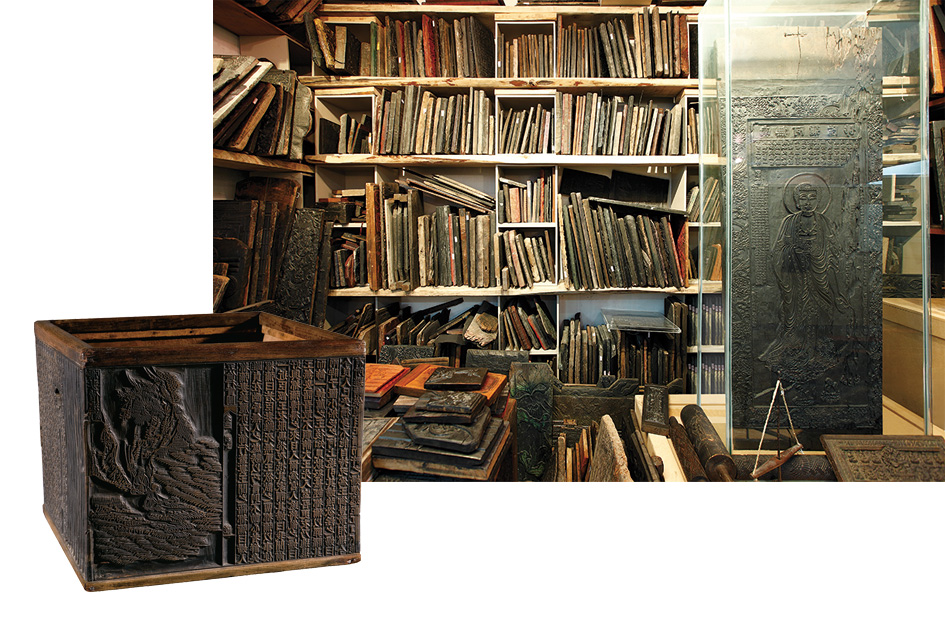
This is a private museum established in 2004 by Monk Han Seon-hak as an affiliated facility to the adjacent Myeongjusa Temple that he founded in 1998. This museum houses a collection of about 4,000 artifacts, including roughly 2,000 carved woodblocks, 800 prints, and 700 books. Here, visitors can study old engravings from China, Japan, Tibet, and Mongolia alongside Korean prints. Although located in a remote area 600 meters above sea level, the museum annually hosts more than 10,000 visitors. It is regarded as one of the must-visit places for students of Buddhist art. Along with Buddhist artifacts, additional exhibits are hosted at the museum, such as on woodblocks for ornamental letter papers and amulets and the prints they produce. The exhibits are rotated three times per year to provide visitors with variety. Programs on making prints are also on offer. For those willing to make the climb into the mountains, a visit to the museum and the nearby temple can create unforgettable memories.
Jeju-do
Haenyeo Museum
- Location: Haenyeo bangmulgwan-gil, Gujwa-eup, Jeju-si, Jeju-do
- Open: 10 a.m.–6 p.m. (closed on the first and third Mondays of each month)
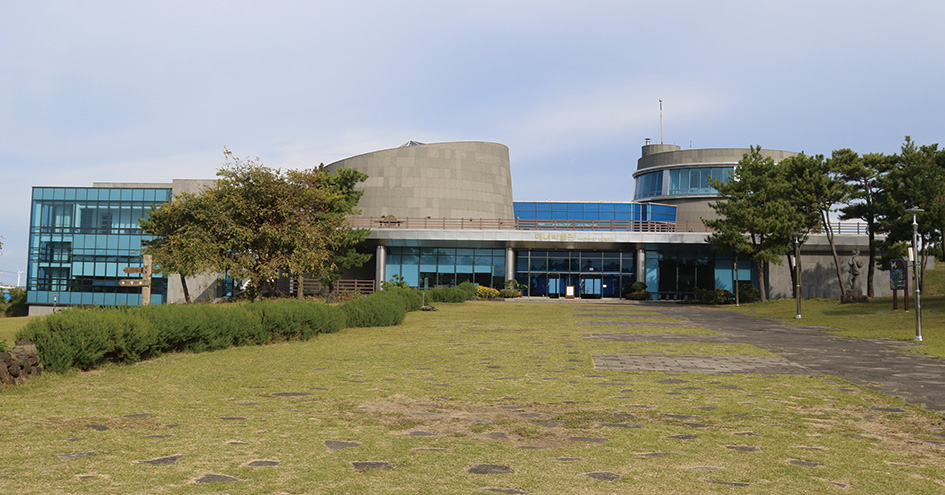
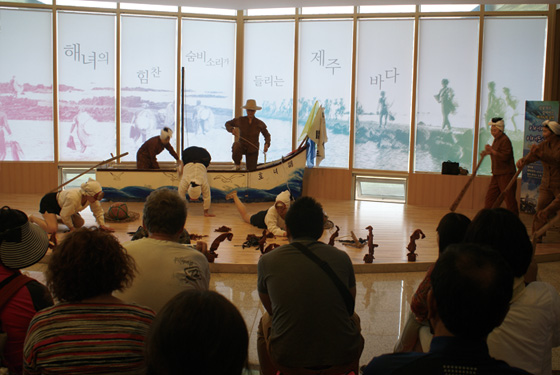
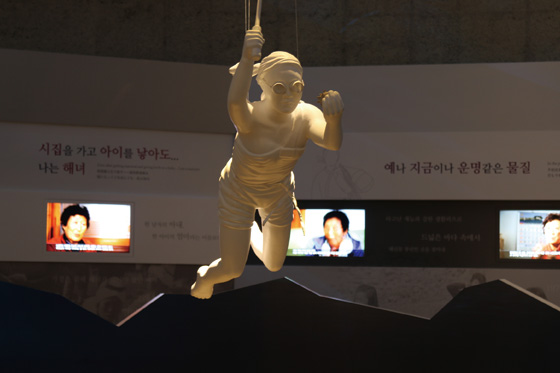
The Haenyeo Museum was established in an effort to preserve tangible and intangible cultural elements related to the haenyeo, or “women divers.” Haenyeo are the definitive symbol of the unwavering spirit of Jeju’s women and of the island itself. The first exhibition hall in the Haenyeo Museum presents their domestic spaces of the 1960s–70s. Here, visitors can see how haenyeo lived when not at sea. The second hall addresses the workplace of the haenyeo—the ocean itself. Also on display are materials related to haenyeo communities and their social activities and contributions, including the anti-Japanese movement under colonial rule. The third hall displays the life of a woman diver from her first dive to becoming a master diver, as well as narratives about their experience under the water and reflections on their work. In addition, there is an experience space for children. For those already enchanted by the natural beauty of Jeju, stories of the women divers introduce a further attraction of the island.
Text by Kim Ji-hye

한국의 이색 박물관
박물관은 현재와 과거를 잇는 공간이다. 보존된 오브제는 달라도 전통을 다음 세대, 다른 민족에게 전달하고자 하는 목적은 같다. 문화와 역사를 품은 그 귀중한 순간들은 모두 박물관에 모여 있다. 우리나라의 다양한 박물관 중 인상적인 곳과 이념과 전통이 담긴 곳을 소개한다. 아름다운 것을 보존하는 것에 그치지 않고 진실과 역사를 잊지 않기 위해 의미 있는 시선이 담긴 박물관, 그곳에서 잠시 길을 잃어보자.
서울_ 전쟁과 여성인권 박물관
- 서울시 마포구 월드컵북로11길 20
-오후 1시~오후 6시(일요일 월요일, 휴관)
수많은 사람의 모금으로 건립된 이곳은 여성폭력과 전쟁 없는 세상을 꿈꾼다. 일본군 위안부 생존자들이 겪은 역사를 기억하고 교육하며, 문제 해결을 위해 다양한 행동을 하고 있다. 또한 세계의 분쟁지역에서 여성에게 가해지고 있는 폭력도 다루고 있다. 입장 시 가이드 장치를 받아 한국어, 일본어, 영어 중 편한 언어를 선택할 수 있다. 관람은 자유롭지만 지하, 2층, 1층의 순서로 할 경우 자연스럽게 이야기의 흐름을 느낄 수 있다. 지하층에서는 위안부의 경험과 고통을 공감할 수 있고, 1층에서는 다른 나라 여성에 대한 폭력과 한국군에게 성폭력을 당한 베트남 여성의 이야기를 다루고 있다. 2층에 마련된 역사관은 일본군에 의해 조직적이고 체계적으로 이뤄진 국가범죄의 실체를 확인하도록 꾸며져 있다. 1층까지 관람한 뒤 ‘참여+약속의 공간’에서 참여 의지와 약속을 메시지로 남겨보자. 보는 것에서 그치지 않고 직접 작성하는 다짐이 또 다른 의미가 될 것이다.
경기_ 지도박물관
- 수원시 영통구 월드컵로 92
- 오전 10시~오후 5시(신정, 설, 추석 연휴 휴관)
지도박물관(국토교통부 산하 국토지리정보원 운영)에 들어서면 아파트 3층 높이의 웅장한 대동여지도가 관람객을 맞이한다. 조선후기 지리학자 고산자 김정호가 1861년에 제작한 대동여지도는 거대하면서도 정밀해 지도에 대한 호기심을 불러일으킨다. 중앙홀을 지나면 역사관, 현대관, 야외전시장을 통해 고지도부터 네비게이션 지도 및 인터넷 지도를 만날 수 있다. 특히 역사관에 들어서면 구대륙 전체를 자세히 그린 ‘혼일강리역대국도지도’를 직접 볼 수 있다. 이 외에도 영국, 프랑스 등 유럽이 제작한 세계지도가 전시되어 있는데 세계지도가 식민지 건설의 도구가 되었다는 점을 생각해 본다면 지도가 곧 국가이자 국력임을 알 수 있다. 현대관에서 만나는 지도는 역사관과 완전히 다른 모습이다. 종이가 아니라 전자지도로 입체로 볼 수 있는 3D지도까지 만나볼 수 있다. 지도의 역할은 단순히 지리적 위치만 찾는데 그치지 않는다. 우리 땅의 모양이 궁금하여 직접 발로 걸으며 지도를 그렸던 과거에서 오늘날 첨단 기술로 세계의 주목을 받고 있는 한국의 발전상이 이곳 박물관에 고스란히 담겨있다.
충청도_ 온양민속박물관
- 충청남도 아산시 충무로 123
- 오전 10시~오후 5시 30분(월요일 휴관)
온양민속박물관은 유, 무형의 민속자료를 체계적으로 수집·보존·전시한 공간이다. 전통문화를 계승하고 세계에 한국문화의 독자성과 우수성을 널리 알리기 위하여 1978년 설립됐다. 종합민속사립박물관으로서 교육, 워크숍 등 한국인의 전통생활문화사를 체험할 수 있는 복합 문화공간이다. 세 개의 상설전시실과 한 개의 특별전시실, 그리고 야외전시장으로 구성되어 있다. 1전시실에는 한국인의 삶이라는 주제로 의식주 생활 및 유교를 근간으로 한 혼례 및 제례를 살펴볼 수 있다. 2전시실은 농업 및 생업기술에 대한 관련 생활양식 및 도구가 전시되어 있다. 대장간에서 사용하던 연장과 사냥 시 쓰이던 맷돼지창 등을 볼 수 있다. 3전시실은 민속공예, 민간신앙과 오락, 학술과 제도라는 주제로 금속, 나전, 종이 공예 등과 무속신앙, 세시풍속 그리고 목판과 활자 책 찍기 등의 모습을 만날 수 있다. 그 밖에도 다양한 탈과 병풍 등 소장품이 전시되어 있어 한국인의 생활문화사를 온전히 느낄 수 있다.
전라도_ 한국천연염색박물관
- 전라남도 나주시 다시면 백호로 379
- 오전 9시 ~ 오후 6시(신정, 설, 추석 연휴 휴관)
한국 고대문화 중심지인 나주는 비단 라(羅), 고을 주(州)라는 지명이 말해 주듯 고대로부터 면직물, 비단 문화가 크게 발달했다. 나주의 기름진 토양과 따뜻한 기온은 쪽풀 재배에 적당해 쪽염색 문화가 발달했으며 오랜 전통은 현재에도 이어 오고 있다. 국가 중요 무형문화재 제115호 염색장 기능 보유자인 윤병윤 선생과 정관채 선생을 중심으로 전통 쪽 염색 기술의 전승 및 발전을 실천하고 있다. 이를 위해 건립된 천연염색박물관은 상설전시관과 기획전시실 문화콘텐츠홀로 구성되어 있다. 상설전시관에서는 천연염색의 유래, 방법, 종류 등 천연염색에 관한 다양한 지식과 천연염색으로 만든 아름다운 빛깔의 소품과 의복을 만날 수 있다. 기획전시실에서는 우리나라뿐만 아니라 다른 나라에서 만들어진 천연염색 기증품도 볼 수 있다. 주말에는 사전 접수를 통해 손수건 및 끈 주머니 등 천연염색 체험도 즐길 수 있다. 전통이 고스란히 살아있는 곳에서 자연에서 얻은 고운 색을 만날 수 있는 좋은 기회다.
경상도_ 국립등대박물관
- 경북 포항시 남구 호미곶면 해맞이로150번길 20
- 오전 9시 ~ 오후 6시 (월요일 휴관)
우리나라의 최동단 호미곶에 세워진 등대박물관은 등대의 발자취를 조사하고 연구하기 위해 만들어진 곳이다. 인류 문명의 이정표 역할을 해온 등대가 산업기술의 발달과 변화로 사라지는 것을 막기 위해 보존과 전시를 겸하고 있다. 주요 전시관 구성은 등대 유물과 기록을 전시한 유물관, 세계 등대의 기원에서부터 우리나라 등대 역사를 알려주는 역사관이 있다. 또 체험을 통해 등대와 항로표지의 원리를 쉽게 이해할 수 있는 체험관 및 다양한 실험 전시와 창의적 현대 미술을 만날 수 있는 기획전시실로 구성되어 있다. 야외전시장에는 푸른 동해와 더불어 해상 뱃길을 안내하던 대형 등부표와 통신시설 등이 실물로 전시되어 있어 색다른 재미를 준다. 그 외에도 등대여권을 가지고 아름다운 등대 15곳의 스탬프를 모으면 기념 메달을 받을 수 있는 등대스탬프투어와 등대 업무를 체험할 수 있는 등대체험숙소 기회도 마련되어 있다. 특별한 추억을 남기도 싶다면 이곳에 들러 바다의 파수꾼 등대의 이모저모를 살펴보자.
강원도_ 고판화박물관
- 강원도 원주시 신림면 물안길 62
- 오전 10시 ~ 오후 6시 (월요일 휴관)
치악산 명주사 고판화박물관은 한선학 스님이 세운 사설 박물관이다. 1998년 치악산 명주사를 건립한 뒤 그 옆에 2004년에 고판화박물관을 열었다. 목판 2000점, 서책 700점, 판화 800점 등 4000여 점의 유물을 소장한 이 박물관은 한국과 중국, 일본, 티베트, 몽골의 옛 판화를 볼 수 있는 유일한 곳이다. 해발 600m 산자락에 있지만 매년 만 명이 넘는 사람들이 찾아간다. 불교미술 전공자들의 필답 코스로 꼽히기도 한다. 그 외에도 옛 선비들이 편지지로 즐겨 쓴 시전지, 일반 서민들이 애용한 부족 판화 등을 볼 수 있다. 일 년에 세 차례의 전시를 하고 있는데 새로운 컬렉션을 보는 재미가 쏠쏠하다. 또한 전통판화학교 체험 코스도 운영하고 있다. 1일 체험코스부터 템플스테이까지 귀중한 고판화와 절에서 보내는 고즈넉한 시간을 함께 즐길 수 있다. 산을 오르는 일이 부담스럽지 않다면 특별한 추억을 남기기 좋은 박물관이다.
제주도_ 해녀박물관
- 제주특별자치도 제주시 구좌읍 해녀박물관길
- 오전 10시 ~ 오후 6시 (첫째, 셋째 월요일 휴관)
해녀박물관은 제주를 대표하는 해녀 문화를 보전하고 다양한 문화 체험의 기회를 제공하기 위해 설립되었다. 해녀는 제주 여성의 상징으로 여겨지며 강인한 개척 정신의 근간이 되고 있다. 박물관은 총 세 개의 전시실과 체험형태인 어린이 해녀관도 마련되어 있다. 제1전시실에서는 1960~1970년대 해녀의 집과 세간을 통해 해녀들의 생활 모습을 담고 있다. 제2전시실은 제주해녀들의 바다 일터와 역사, 공동체를 알 수 있다. 해녀의 역사, 제주 해녀항일운동, 해녀공동체에 관한 각종 문서 등과 사회공익에 헌신한 해녀들의 사진과 영상자료를 살펴볼 수 있다. 제3전시실은 해녀들의 생애를 전시하고 있다. 첫 물질부터 상군 해녀가 되기까지의 모습, 출가물질 경험담, 물질에 대한 회고 등 해녀들이 전하는 다양한 삶의 모습을 생생하게 느낄 수 있다. 천혜의 자연환경으로 둘러싸인 아름다운 제주도에 반했다면, 강인하고 치열한 해녀들의 삶은 제주도의 두 번째 매력을 알려줄 것이다.
Text by 김지혜